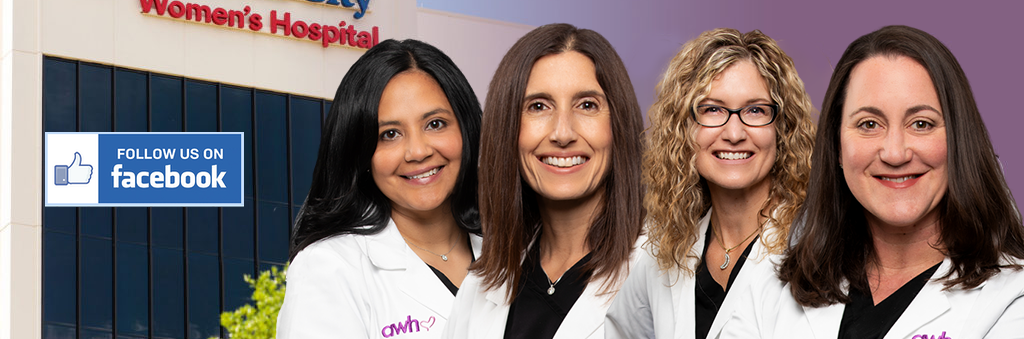
Welcome! AWH Dallas is located in Medical City Dallas.

We offer BioTE hormone replacement therapy and da Vinci® Surgery. Available in Medical City, Dallas. Click below to learn more…


Recent Social Media Testimonial
Welcome! AWH Dallas is located in Medical City Dallas.
Effective March 29th, 2024 Dr. Amie Napier has retired from our practice.
We are accepting appointments for all types of visits at this time. If your well woman visit (annual exam) or your “non-essential” visit was canceled and/or
rescheduled due to COVID-19, please call us so we can get you back on the books!
The health and safety of our staff and patients remains our top priority, and we will continue to minimize risks with the following:
Please feel free to video chat in your significant other and/or family members for special visits such as sonograms. We are happy to welcome these technologies into our office, and our doctors and staff will work hard to ensure your loved ones feel like they’re in the room for these moments.
Learn More About Our COVID-19 PoliciesWe appreciate you as a patient and are dedicated to providing you compassionate and quality healthcare here in Dallas, TX. Specializing in Obstetrics & Gynecology (OB/GYN), our physicians Dr. Amy Sigman, Dr. Amie Napier, Dr. Michelle Heintges, Dr. Heidi Harms and Dr. Maria Reyes are here to serve you.
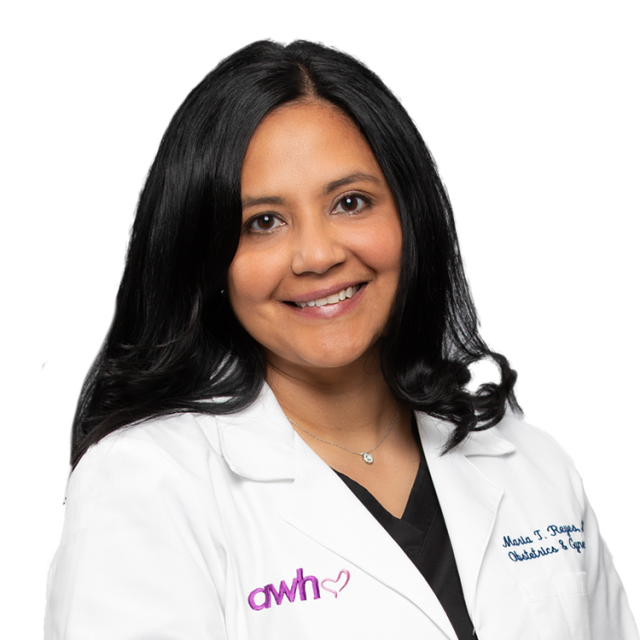
Dr. Maria Reyes enjoys caring for women in all stages of life. “It is such an honor to partner with women and be part of their pregnancy and their lives, often delivering two or three babies together. Honestly, I see my patients as a close friend or relative…”

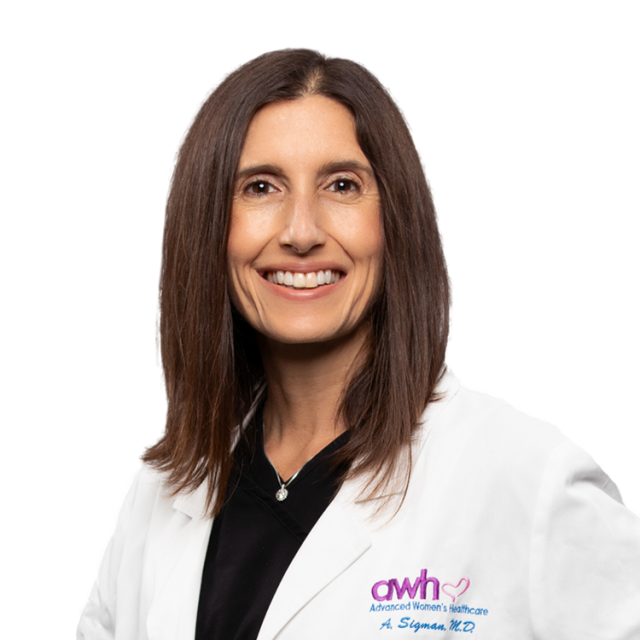
Dr. Sigman was the first female doctor to join Advanced Women’s Healthcare - which is now an all-female physicians practice. She is proud of her work along with that of her partners. “I come to work because I love it. It’s kind of my home away from home, and my patients are my family."
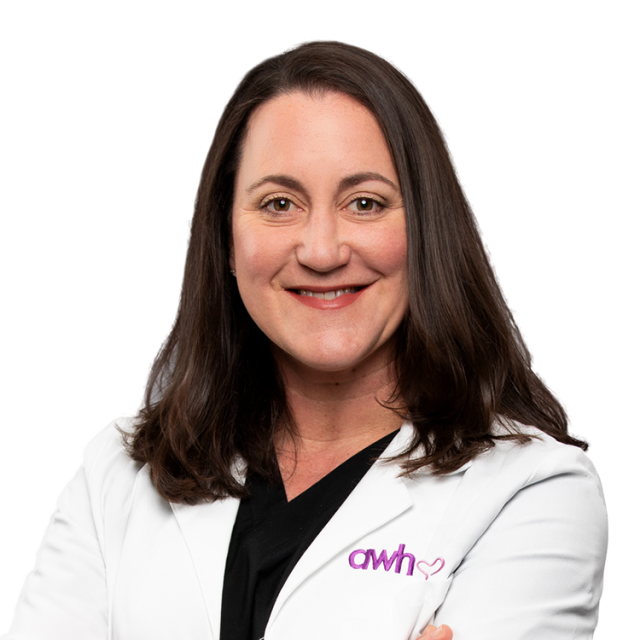
Dr. Heintges is trained in robotics, pelvic floor repair and vaginal rejuvenation. She has a special interest in adolescent medicine, menopause, post-menopause, complicated obstetrics, gynecologic surgery, and pelvic floor reconstruction. Dr. Heintges said, “I love my job. I have tons of fun at my job. And I really love the people I work with..."
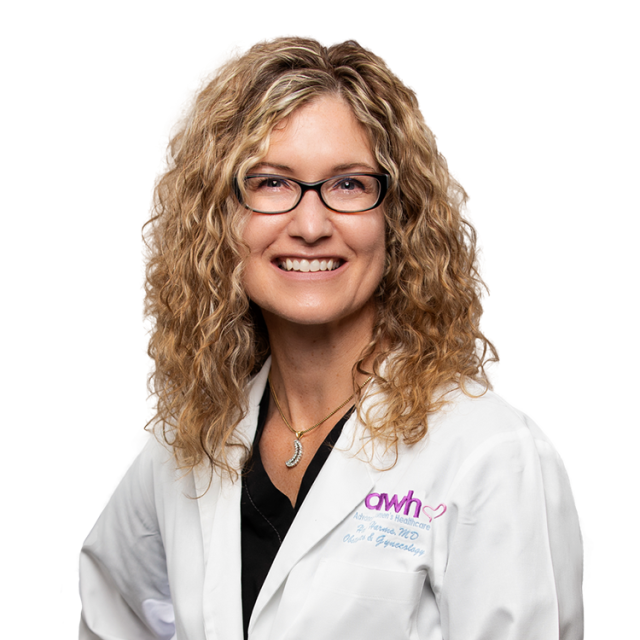
Dr. Heidi Harms was inspired by her grandfather to study medicine, who was a physician that she thought the world of and aspired to be like. She enjoys all areas of OB/GYN, including adolescent gynecology, contraception management, infertility, obstetrics, pelvic surgery, urogynecology and menopausal management.

28September
2021
Pap tests are important tests for most women in an effort to detect cervical cancer or other cervical issues. A pap smear, also called a pap exam or pap test, is a screening to test for cervical cancer or other abnormalities in the cervix. Early detection of cervical cancer with a pap smear gives you a greater chance of beating it. The exam can also detect abnormal cells that suggest cancer may develop in the future. But when should a woman begin getting the test? Doctors recommend repeating pap testing every three years for women ages 21 to 65. Women ages 30 and older may consider pap testing every five years, combining the procedure with human papillomavirus (HPV) testing. While this is the general rule for women, there are some risk factors that may require testing more frequently. These include: A diagnosis of cervical cancer or a pap test that reveals precancerous cells Exposure to diethylstilbestrol (DES) before birth. (DES is a synthetic form of estrogen that was prescribed to pregnant women between 1940 and 1970.) HIV infection Immune system weakened from organ transplant, chemotherapy or chronic corticosteroid use A history of smoking What Can I Expect During a Pap […]

28September
2021
Thousands of women are diagnosed each year with gynecologic cancer. September is Ovarian Cancer Awareness Month and the perfect time to discuss the signs and symptoms of this deadly disease. The American Cancer Society estimates that this year more than 113,500 women will be diagnosed with a gynecologic cancer, and more than 33,000 will die from the disease. Ovarian Cancer Ovarian cancer includes cancer of the ovaries, fallopian tubes and the primary peritoneum (the tissue lining the abdominal wall and covering the abdominal organs). Together, this group is the fifth leading cause of cancer death for women in the United States. Symptoms of ovarian cancer can include: Fatigue (extreme tiredness) Upset stomach Back pain Pain during sex Constipation Changes in a woman’s period, such as heavier bleeding than normal or irregular bleeding Abdominal (belly) swelling with weight loss During regular pelvic exams, your doctor checks for signs of ovarian cancer. If your doctor suspects signs, you will likely be sent for imaging tests and/or blood tests. Cervical Cancer Cervical cancers can be as unique as the patients who are diagnosed with them. Cervical cancer may not cause signs and symptoms early on. Advanced cervical cancer often causes bleeding or discharge […]

4August
2021
During this universal week of celebration, let’s discuss the benefits of breastfeeding. World Breastfeeding Week is celebrated every year between August 1 and 7 in more than 120 countries to improve the health of mothers and babies around the world. In August of 1990, the World Health Organization (WHO) and UNICEF created the Innocenti Declaration to promote the positive health benefits of breastfeeding as well as to expand awareness and protections for breastfeeding mothers. World Breastfeeding Week (WBW) began in 1992, with annual themes to support women caring for their babies. These themes have included healthcare systems, women and work, the International Code of Marketing of Breastmilk Substitutes, community support, ecology, economy, science, education and human rights. In 2018, a World Health Assembly resolution endorsed WBW as an important breastfeeding promotion strategy. The Benefits of Breastfeeding Breastfeeding is important to the health and well-being of new babies and moms. The nutrients and antibodies in breast milk help babies fight off illnesses, infections and other potential health threats, and breastfeeding helps new mothers bond with their baby. Breastfeeding is a unique process that: Provides ideal nutrition for infants and contributes to their healthy growth and development. Reduces incidence and severity of […]
Dr. Sigman has made these last 7 months joyful and exciting and every time I leave her office, I feel like I have come away with more knowledge about myself and my baby! —Brenda
Dr. Heingtes is fabulous!! She was recommended to me by my sister and I absolutely love her!! She answers all questions and makes you feel completely comfortable! —Kelly
Dr. Napier is very friendly, and super easy to talk to. As long as I still have questions to ask, she will stay in the room to answer them. I find her to be a calming presence, which is very helpful to a first time Mom. —Barbara
Dr. Harms is a great doctor. This is our first child and she has made the experience very painless. We were referred by a friend that had used her and had great things to say. We will refer her to all our friends. —Sarah
I love seeing Dr. Heintges and I love her energy! I have been her patient for years and I trust her opinions and honesty. I am very happy that she is my doctor and I know that my baby and I are well taken care of! —Ikumi